
Why Should Lock Nuts Be Preferred?
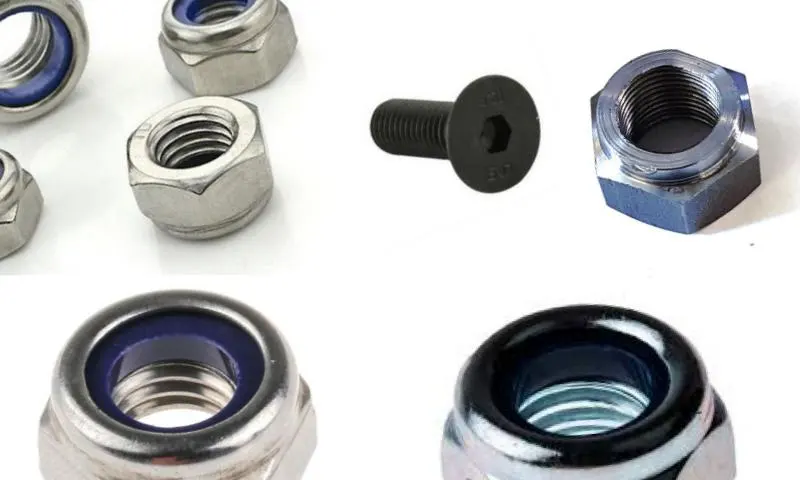
Lock nuts, which have an important place among nut types, are used in various fields of industry. They stand out due to their resistance to loosening and vibration, and these products come in different models. Developed in two different types, namely friction-locking nuts and positive-locking nuts, these products have important functions despite their small size. Preferred in many areas from automotive to the food industry, these products are delivered all over Turkey through corporate brands. Options that allow you to save time and money with free shipping enable the uninterrupted continuation of workflows.
Functions of Friction-Lock Nuts
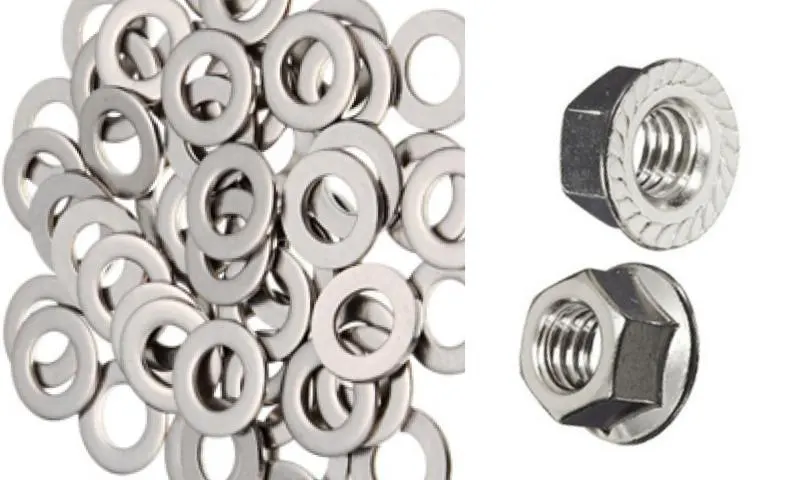
Friction-lock nuts are products that generally resist loosening. As these products require a large torque for tightening and loosening operations before parts are clamped, they save time and effort and have a locking feature on their own. In these products, there is a polymer material placed in an indentation on the nut. When the nut is tightened, this polymer deforms elastically and creates friction. Those who rely on the polymer product for friction are mistaken. Because these products can melt at high temperatures. Therefore, lock nut options are generally made of stainless steel. This allows them to be used comfortably even at high temperatures.
Functions of Positive-Lock Nuts

Positive-lock nuts, on the other hand, offer the possibility of free rotation for tightening and loosening. These products only lock when a positive action occurs. Allowing for secure fastening and quick assembly, these products can be integrated through a threaded retainer application or by drilling. First used in 1931, these products can be purchased online today with the support of technology. Those who want to access these products can choose the relevant online brands on the internet pages, enabling the uninterrupted continuation of their workflows.