
What is Climate Change?

Climate change refers to long-term shifts in temperatures and weather patterns globally. While some of these changes are a result of natural processes, they have accelerated, particularly in the last century, due to human activities. The burning of fossil fuels, deforestation, and industrial activities have increased the concentration of greenhouse gases in the atmosphere, leading to global warming. As global average temperatures rise, imbalances occur in the climate system; droughts, floods, and extreme weather events have become more frequent. For information on this topic and to ask questions you are curious about, you can look at relevant online firms on web pages and examine them in detail from there.
Effects of Climate Change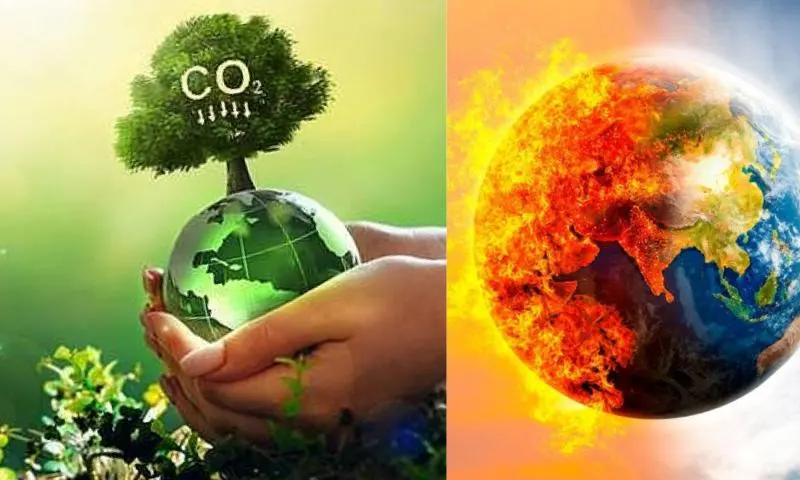
Climate change is not limited to just rising temperatures. Sea levels are rising due to melting glaciers, putting coastal areas at risk. Crop yields are declining, some regions are experiencing drought, and ecosystems are under threat. Furthermore, many animal and plant species are losing their habitats, and biodiversity is decreasing. Human health is also affected by this process; health problems are increasing due to reasons such as heatwaves, the spread of infectious diseases, and air pollution. Climate change also threatens economic and social structures.
Ways to Combat Climate Change
Everyone, from individuals to governments, must take responsibility to combat climate change. It is important to turn to renewable energy sources, increase energy efficiency, and prefer environmentally friendly transportation to reduce carbon emissions. Protecting forests and afforestation efforts also support carbon absorption. Adopting recycling habits, consuming consciously, and adopting sustainable lifestyles are among the measures that can be taken at the individual level. At the global level, international collaborations such as the Paris Climate Agreement offer hope for limiting climate change.