
Retaining Wall Calculation Program
Why is Retaining Wall Calculation Important?
A program that calculates retaining walls ensures that retaining walls used in different areas are manufactured to provide resistance against acting forces. Different retaining wall calculations and manufacturing types are used in many areas. The purpose of retaining walls varies according to the areas where they are used. Although retaining walls are generally designed and manufactured to prevent landslides and floods, they can also be used for creating water channels and similar purposes in different areas. You can access programs specially developed for retaining walls at [Link]. Regardless of the purpose of manufacturing, precautions must first be taken to ensure that the wall itself does not pose a danger. Even if retaining walls have no potential to overturn on their own, overturning them when any force is applied can lead to similar disasters, so their calculation must be done carefully.
Which Types of Retaining Walls are Calculated?
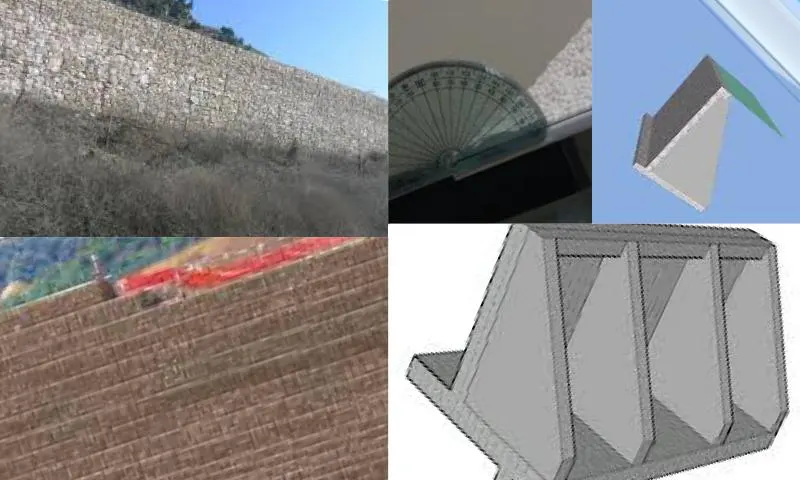
Retaining walls are structures for which a calculation chart must be created by considering the areas where they will be built and following the calculation steps without skipping them. Calculations have been done using primitive methods for a long time, and mistakes have often been made in retaining wall calculations. With programs that calculate retaining walls designed with different algorithms and software details, retaining wall calculations can be easily performed in accordance with both statistics and regulations. Developed software also offers features such as 3D solid model viewing. Our retaining wall calculation programs fully operate in accordance with TS 7994 February 1990 building regulations. Regardless of the purpose, retaining wall calculations must be performed to ensure that retaining walls can withstand the forces they will constantly be exposed to and do not pose a danger due to their own structural properties. With the retaining wall calculation program, retaining wall calculations can be performed for all types of retaining walls.