
Renewable Energy Sources
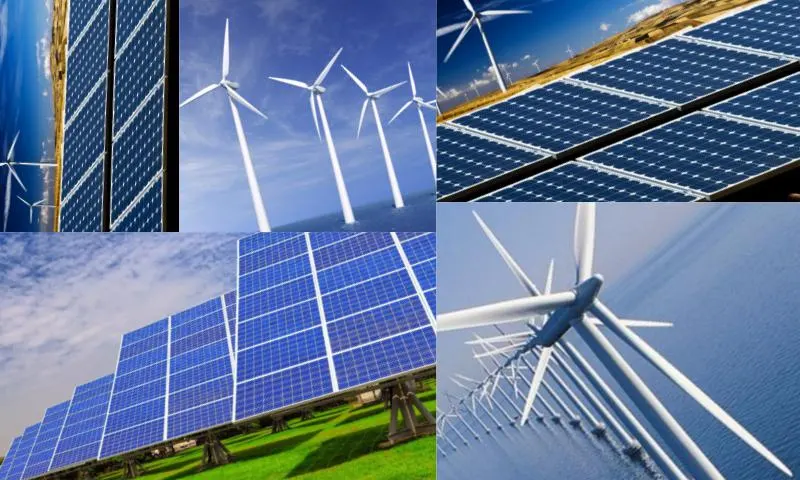
Renewable energy sources, which are among the environmentally friendly and inexhaustible energy sources, are among the inexhaustible energy sources. These sources, which cannot be depleted by users such as humans or animals, have different options. Renewable energy sources, obtained by utilizing natural processes in energy production, serve as an ideal alternative to depletable fossil fuels. Systems that can renew themselves much faster than their depletion rate help protect the environment and achieve low-cost results in energy investments for the whole world. To meet the energy needs of future generations, it is necessary to transition to renewable energy sources. Because; energy sources obtained from petroleum-derived fossil fuels are depletable. These sources also have negative environmental impacts.
Renewable Energy Sources Reduce External Dependence
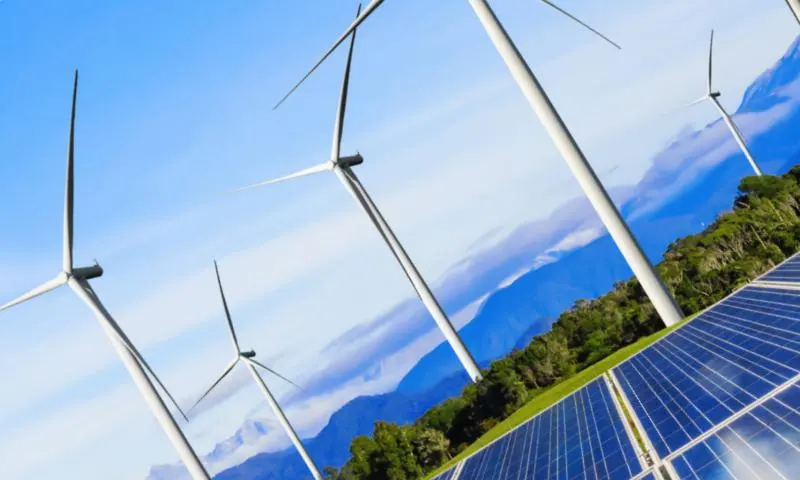
Renewable energy sources, used instead of depletable and fossil-based energy sources, increase their usage rate every day because they provide continuity. These sources, which house the systems a country needs to develop, play an important role in the development of domestic resources. These sources, which reduce external dependence and are the pioneer of economic development, also comply with international agreements. With systems that reduce external dependence, these sources, which have more and more areas of use every day, contribute to job creation, thus helping to reduce unemployment. These systems, which open the way for electricity use, especially in geographical regions where electricity access is difficult, have different branches such as solar energy, wind energy, hydraulic energy, geothermal energy, wave energy, tidal energy, hydrogen energy, and biomass energy. Natural energy sources, which enable the acquisition of electrical energy without any harm to nature, expand their areas of use every day with their low cost advantage as well as their respect for the environment.