
Metal Soaps
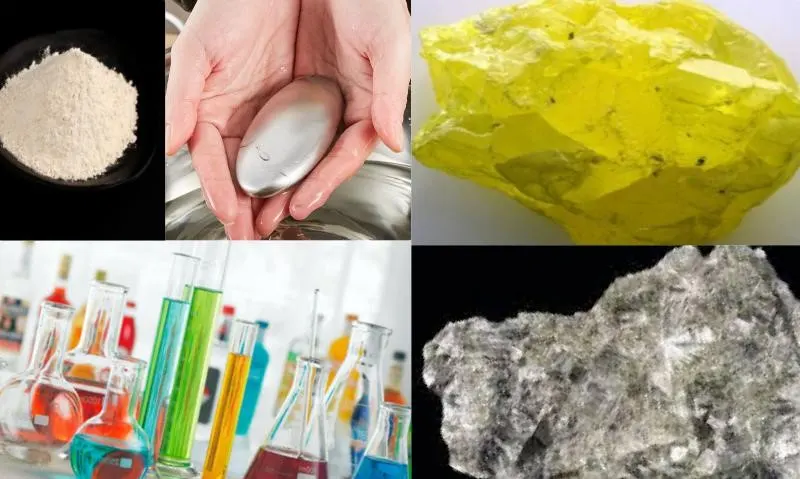
Zinc Metal Soaps
Metal soaps are formed by the reaction of metal substances such as zinc and calcium with fatty acids through oxidation. These substances are developed with specific formulas to serve the area of use, aiming to have the highest quality and most suitable material structure. This material, generally used as a lubricant, is used in almost all plastic processing work. You can visit the address to learn which metal soaps are better in your field and consult for trials.
The largest market area of the plastic industry, which is a large sector, is rubber. The longevity of quality plastic, its resistance to wear, and its protection during processing are important for users. You can easily use these materials developed for you in your factories and get rid of unsightly appearances that may arise during plastic processing.
Production of Zinc Metal Soaps
Specific metals are used in the production of metal soaps. Zinc, one of the most important options, is preferred for its high lubricating effect in metal soaps during plastic processing. Zinc stearate is generally used in the plastics industry. It is used as an acid scavenger, mold release agent, and external lubricant in materials such as LLDPE, HDPE, PE, and PP. In the rubber industry, it is used to improve processes. In the construction industry, it is preferred as a water repellent in plaster. In the coating and painting industry, it is used in pigment suspension.
Metal soaps, which play such an important role in the plastics and rubber industries, are produced by trying various formulas. Zinc metal soaps are produced by heating stearic acid with zinc oxide. The production of these zinc metal soaps, manufactured with specific formulas, is named differently according to their densities. Our soap, resistant to solvents such as ether and alcohol, can be easily dissolved with hydrocarbon components when heated. It has the strongest mold release property compared to other substances.