
What is Deep Plane Facelift?

Deep Plane Facelift is a surgical method that provides aesthetic reshaping of facial muscles and subcutaneous tissues. This procedure tightens the facial contour, removes sagging, and provides a younger appearance. Instead of just pulling the skin, deep tissues are also targeted in facelift procedures. This way, the resulting outcome is more natural and long-lasting. The surgeon evaluates the facial anatomy to determine which areas need to be lifted. This method minimizes the effects of aging by providing symmetry in the lower, middle, and upper regions of the face. When the procedure is completed, facial features become more defined, cheeks and jawline appear smoother, and aesthetic balance is achieved. For information on this topic and to ask your questions, you can look at the relevant online companies on the web pages and review them in detail.
Who is Deep Plane Facelift Suitable For?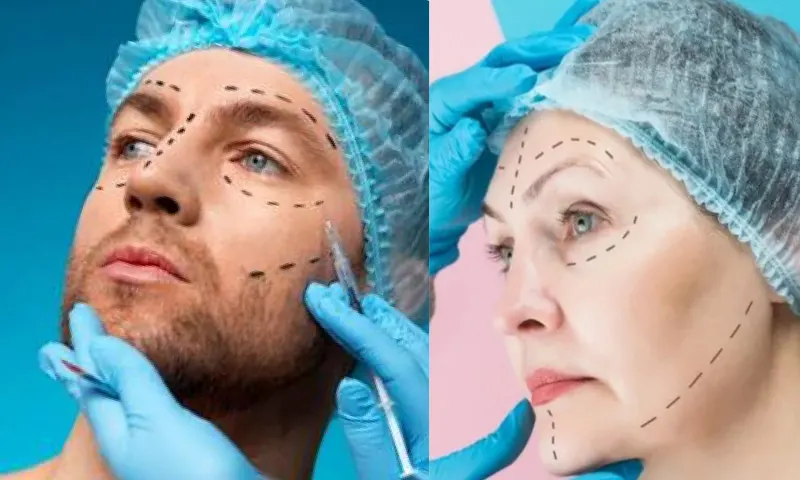
Deep Plane Facelift is suitable for individuals experiencing sagging or volume loss in their face. Individuals who want to reduce signs of aging and correct their facial contour may prefer this operation. Loosening of facial muscles, sagging in the cheeks and jawline are aesthetically corrected with this operation. The surgeon creates the surgery plan by evaluating the person's skin elasticity, facial structure, and expectations. It is a safe procedure for individuals in good health who can comply with post-operative care. The operation meets aesthetic expectations while preserving the natural appearance of facial features.
How is Deep Plane Facelift Surgery Performed?
In Deep Plane Facelift surgery, the surgeon targets subcutaneous tissues and facial muscles. Excess skin is removed, and muscles and tissues are tightened. Incisions are placed around the ears and along the hairline, minimizing scarring. Symmetry and the natural position of facial features are continuously monitored during the operation. When the procedure is completed, facial features are tightened, sagging is removed, and a younger appearance is achieved. The use of bandages or special protective garments after surgery helps preserve the new shape of the tissues and supports the healing process.