
Waste Management and Waste Management Application
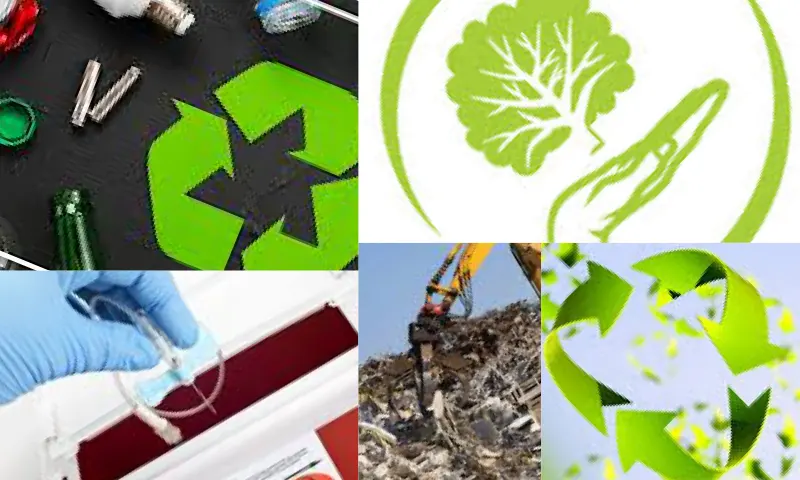
Stages of Waste Management
Unused substances generated during the entire process of a product, from its production to consumption stage, are called waste. Waste management encompasses all applications starting from the design stage of a product, including the collection, transportation, separation, storage, recycling, and disposal of waste generated during the production and consumption phases. You can find information about waste management applications on websites. At every stage, from the collection to the disposal of waste, actions must be taken in accordance with the principles of the Waste Management Regulation. This regulation, published by the Ministry of Environment, clearly states how waste should be collected, how it should be reduced at the source, how it should be transported to waste facilities, and how it should be stored temporarily or permanently in these facilities. Private or public institutions that produce waste are legally obligated to notify authorized units of the waste they produce and inform the authorities about this waste. Within the scope of waste management applications, waste must be stored in a way that does not harm the environment or threaten human health, and it must be disposed of accordingly.
Considerations in Waste Management
For professional waste management, the rules and principles set by the laws must be taken into account, and waste must be collected and stored within this framework. The most important rule of waste management is to reduce waste at its source. Waste minimized at the source should be transported to designated waste facilities using appropriate transport vehicles for the type of waste, stored in these facilities using suitable storage methods, and waste suitable for recycling should be processed in recycling facilities and reintroduced into the economy.