
What is Dental Design and Why is it Important?

Dental design is a process within the scope of aesthetic dentistry practices that aims to improve the functional and visual aspects of a person's dental structure. Through this application, the color, shape, size, and alignment of the teeth are brought to a more aesthetic appearance. Today, as the importance given to smile aesthetics increases, dental design has also become quite popular. A healthy and aesthetic smile not only increases a person's self-confidence but also has a positive impact on their social life. Dental design is not just a cosmetic procedure but also an application that supports oral and dental health. This is because properly aligned teeth also make the chewing function more efficient. For information on this subject and to ask your questions, you can look at the relevant online firms on the internet pages and review them in detail from here.
The Dental Design Process and Methods Used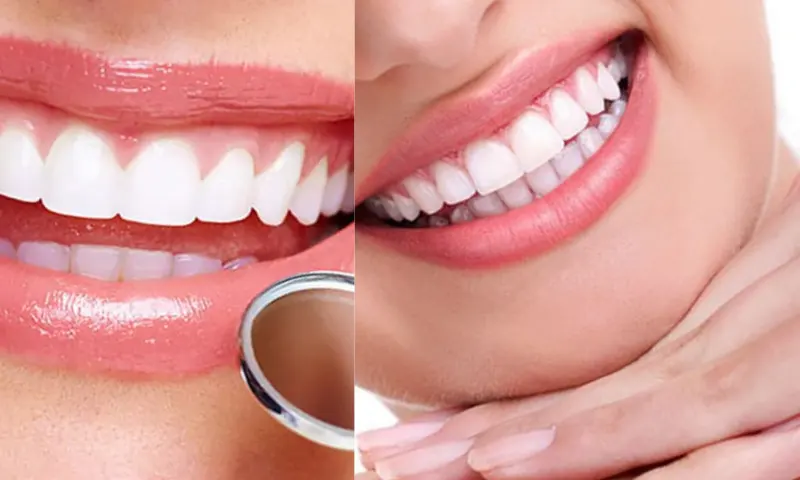
The dental design process begins with a detailed analysis of the patient's oral structure. First, the condition of the teeth and gums is examined, and a treatment plan is created according to the needs. Digital measurement techniques and 3D imaging systems can be used in this process. Then, aesthetic solutions such as porcelain laminate, zirconium coating, or bonding are applied in line with the patient's expectations. Each method is determined according to the person's dental structure and needs. The aim of dental design is to achieve results that are closest to the natural appearance and are long-lasting. For this reason, the process is meticulously carried out by specialist dentists, and personalized planning is done.
Advantages of Dental Design and Maintenance Process
Dental design offers individuals many advantages, both aesthetic and functional. One of its most important benefits is providing a straighter and whiter smile. Additionally, correcting teeth crowding makes oral hygiene easier and reduces the risk of tooth decay. Post-dental design care is also very important. Regular tooth brushing, flossing, and routine dental check-ups ensure the longevity of the procedure. Avoiding hard foods and paying attention to oral care also supports the process. With proper care, dental design provides an aesthetic and healthy smile for many years.