
Diagnostic Process Before Varicose Vein Treatment
How is Varicose Vein Treatment Planned?
Varicose veins are formed when veins enlarge, lengthen, swell, and become tortuous. Varicose veins, which are usually seen in the legs, can also occur in other parts of the body. Varicose veins are most often caused by valve dysfunction, known as venous insufficiency. Blood travels from the heart to the legs and feet through arteries and returns to the heart to complete its function. The return of blood to the heart begins from the toes. However, the valve system, which is similar to a membrane and located within the veins, starting from the ankle and going towards the heart, ensures that the blood only flows towards the heart. Additionally, with every movement, the calf, thigh, and foot muscles pump the blood in the veins back to the heart. Any blockage or dysfunction in this system causes the venous valves to fail to return blood to the heart, leading to venous insufficiency. Subsequently, this blood pressure spills into the side vessels, causing the veins to swell and enlarge. You can safely obtain information about varicose vein treatment from the website that details all these methods.
What Are the Types of Varicose Vein Treatments?
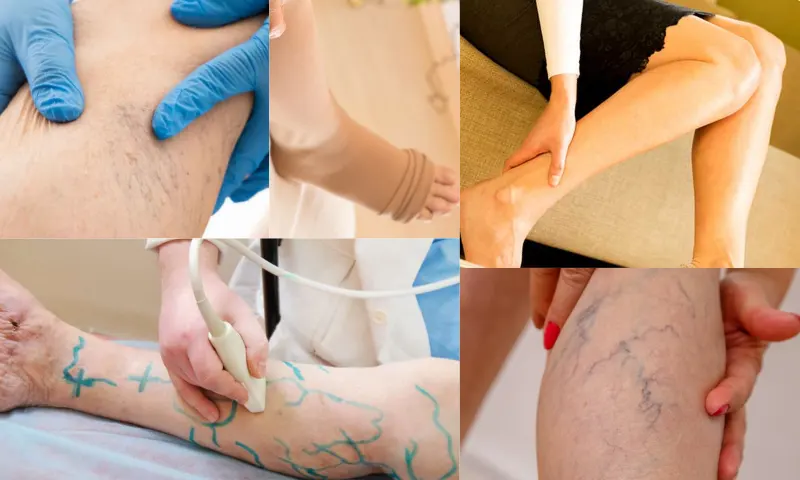
Before varicose vein treatments begin, the patient's medical history is always taken. The patient's complaints, previous treatment methods if any, and a physical examination are performed. A detailed examination by performing a color Doppler ultrasound of the legs is necessary. Before starting varicose vein treatment, it is crucial to understand where the patient experiences pain. Knowing the location of the pain is very important when determining the treatment method. The treatment method is determined by performing a detailed physical examination of the patient and reviewing the ultrasound images before starting varicose vein treatment. There are many methods in modern medicine for treating varicose veins. Laser Ablation is a non-surgical treatment method performed using a laser. Radiofrequency ablation is a method that uses radiofrequency instead of a laser. Another method is the biological adhesive, or Bioglue method. In this varicose vein treatment method, cyanoacrylate, a substance that does not cause any allergic reaction in the body and solidifies and hardens when it comes into contact with blood, making it adhesive, is injected.