Breast Pain: What is it, Causes, and Treatments
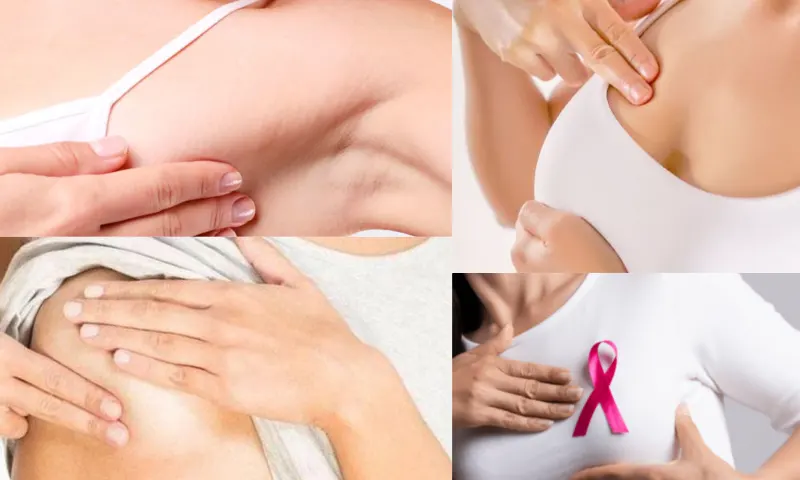
Breast pain, also known as mastalgia, is a common condition that can affect women of all ages. It can range from mild to severe and may be felt in one or both breasts. The pain can be described as sharp, burning, or aching and may be constant or intermittent. In some cases, breast pain can be associated with a lump or swelling in the breast, although this is not always the case. If the cause of breast pain cannot be precisely determined, it is referred to as "idiopathic breast pain." The treatment for breast pain varies depending on the underlying cause, and in more severe cases, it may be necessary to consult a doctor. You can find information and ask questions about this topic by visiting the relevant online firms on web pages and examining them in detail.
Types of Breast Pain

- Cyclical breast pain is a painful condition that women frequently experience during their menstrual cycle. This pain occurs as a result of changes in hormone levels during the menstrual cycle and is usually felt in the abdomen, hips, and legs. Cyclical breast pain begins a few days before the menstrual period and subsides a few days after the period. The severity and duration of this pain vary among individuals.
- To reduce cyclical breast pain, pain relievers (such as NSAIDs), heat application, and light physical activity can be helpful. To alleviate the pain, frequent small meals, adequate hydration, and stress-reducing techniques can also be employed. If cyclical breast pain is excessively severe or recurrent, you can consult your doctor for information on treatment options.
- Non-cyclical breast pain occurs at times other than the menstrual cycle. The causes of this pain are diverse and generally less common in women. Causes of non-cyclical breast pain include:
- Hormonal changes: Fluctuations in hormone levels, such as estrogen and progesterone, can cause breast pain. For instance, breast pain may occur during menopause due to changes in hormone levels.
- Breast cancer or benign breast tumors: Breast cancer or benign tumors can cause breast pain. Therefore, it is important to rule out these conditions in individuals with non-cyclical breast pain.
- Changes in breast tissue: Changes in breast tissue, such as milk duct blockages or inflammation of the breast tissue, can lead to breast pain.
Other health conditions: Certain health problems, such as heart conditions or kidney stones, can cause breast pain.
If non-cyclical breast pain is recurrent or excessively severe, it is recommended to consult your doctor for a diagnosis and to determine appropriate treatment options.
How to Relieve Breast Pain?
You can try some of the following methods to reduce breast pain:
- Pain relievers: Over-the-counter pain relievers can be used to reduce breast pain during the menstrual cycle. These include non-steroidal anti-inflammatory drugs (NSAIDs) such as ibuprofen and aspirin. If pain relievers are insufficient or if you have severe pain, prescription pain medications may be used.
- Heat application: You can try to relieve pain by placing a hot water bottle or a heated pad on your abdomen. Heat application can help alleviate pain and relax muscles, thus reducing discomfort.
- Light physical activity: You can try to reduce pain by engaging in light exercises during your menstrual period. For example, walking, cycling, or yoga can help alleviate pain. Exercises not only reduce pain but also help reduce stress.
- Frequent small meals: Eating small, frequent meals can be beneficial in reducing pain during the menstrual cycle. This helps maintain a stable blood glucose (sugar) level, which can aid in pain reduction.
- Stress-reducing techniques: Stress can exacerbate pain. Therefore, you can try to reduce pain by using stress-reducing techniques during your menstrual period. For instance, you can try methods such as yoga, meditation, or deep breathing exercises.