Health and Environmental Impacts of Using Ventless Fireplaces
Health Impacts of Ventless Fireplaces: Carbon Emissions and Respiratory Risk
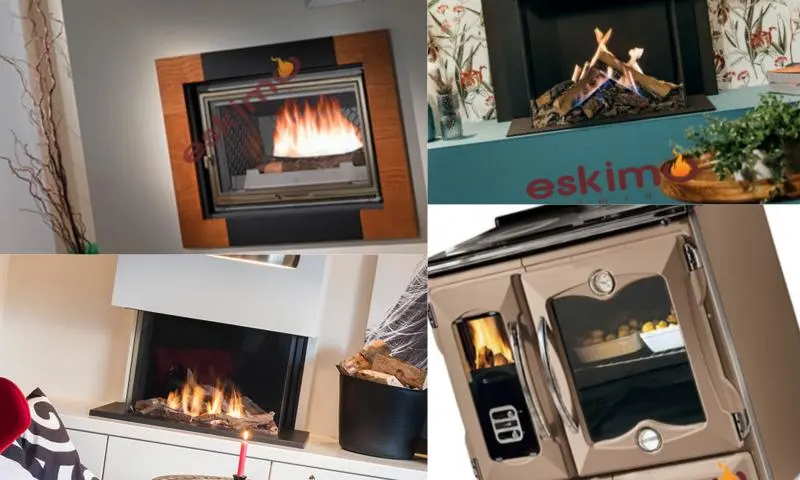
Ventless fireplaces are modern heating and decoration products that operate with bioethanol or electricity instead of solid fuels like wood or coal. You can visit https://eskimosome.com/bacasiz-somine for more information about ventless fireplaces. Since these fireplaces do not require a chimney system, they can be easily used in apartments and small living spaces. They are also widely preferred for their flame effects, sense of warmth, and aesthetic appearance. However, the health and environmental impacts associated with the use of ventless fireplaces are important issues that need to be carefully addressed. Especially models powered by bioethanol fuel can carry some risks for users.
Ventless Fireplace: Evaluation in Terms of Environmental Impacts and Sustainability
Ventless fireplaces powered by bioethanol fuel produce carbon dioxide (CO₂) and a small amount of water vapor during combustion. While these substances are not directly toxic, they can lead to a decrease in oxygen levels and symptoms such as headaches and fatigue in poorly ventilated areas. Additionally, prolonged use may cause discomfort in individuals with respiratory sensitivities. Electric models are safer in this regard because no harmful gas is released as there is no combustion process. Bioethanol is a fuel typically derived from renewable sources such as sugarcane or corn. In this respect, it is considered more environmentally friendly than fossil fuels. However, it is also known that bioethanol production leads to some environmental discussions regarding agricultural land use, water consumption, and carbon footprint. In electric fireplaces, the source of the electricity used becomes important; their environmental impact is lower when powered by renewable energy. The health and environmental impacts of using ventless fireplaces vary depending on factors such as product selection, duration of use, and energy source.