
Where Does the Origin of Turkish Halva Lie?
What Ingredients is Turkish Halva Made From?
Turkish halva (Türk Helvası) is one of the deep-rooted desserts of Turkish cuisine, and its history dates back to very ancient times. The word halva is of Arabic origin and means honey. The origin of Turkish halva, however, dates back to Central Asia. During the nomadic life of the Turks, this dessert, made by combining animal, sheep, or camel fat with roasted flour and sugar, became one of the main food sources for nomads due to its durability and long-lasting freshness. Over time, Turkish halva began to be made in different forms and with different ingredients in various regions, and today there are various types. You can visit the web address https://www.grandbazaarinturkey.com/product-category/turkish-halva/ to buy Turkish halva (Türk Helvası).
What are the Types of Turkish Halva?
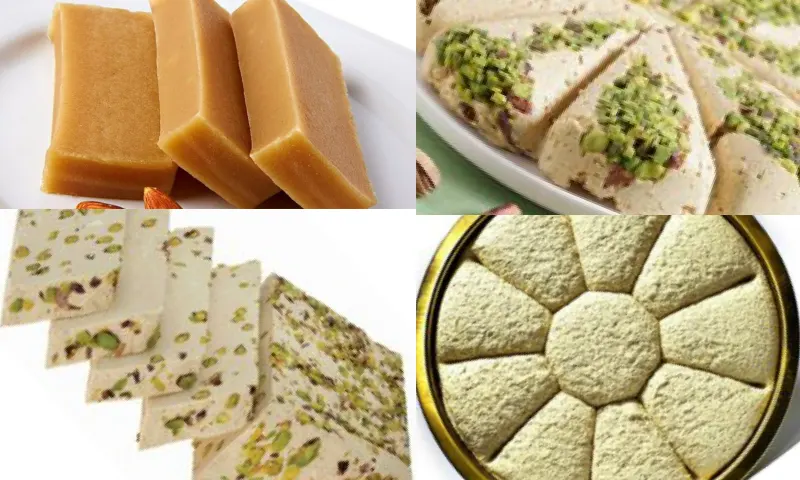
Turkish halva is made by combining flour, sugar or molasses, and fat. The flour is roasted or fried until it turns pink, and then sugar or molasses is added. This mixture is stirred thoroughly to obtain a homogeneous consistency and left to cool. The fat can be butter or vegetable oil, and it is added to the mixture to give the dessert its texture. In some regions, ingredients such as cinnamon, cocoa, and vanilla may also be added to the halva to add various aromas and flavors. Traditional Turkish halva is especially enjoyed with coffee or tea. There are many types of Turkish halva, each offering different flavors. Flour halva, frequently consumed in traditional Turkish cuisine, is made by combining roasted flour, sugar or molasses, and fat. Semolina halva is a type of halva prepared by combining sugar and fat, and is served on special occasions. Pistachio Halva is a type made by adding nuts such as pistachios or hazelnuts to halva made from roasted flour or semolina. Sesame Halva is a type of halva made by combining tahini and sugar, flavored with the unique aroma of sesame.